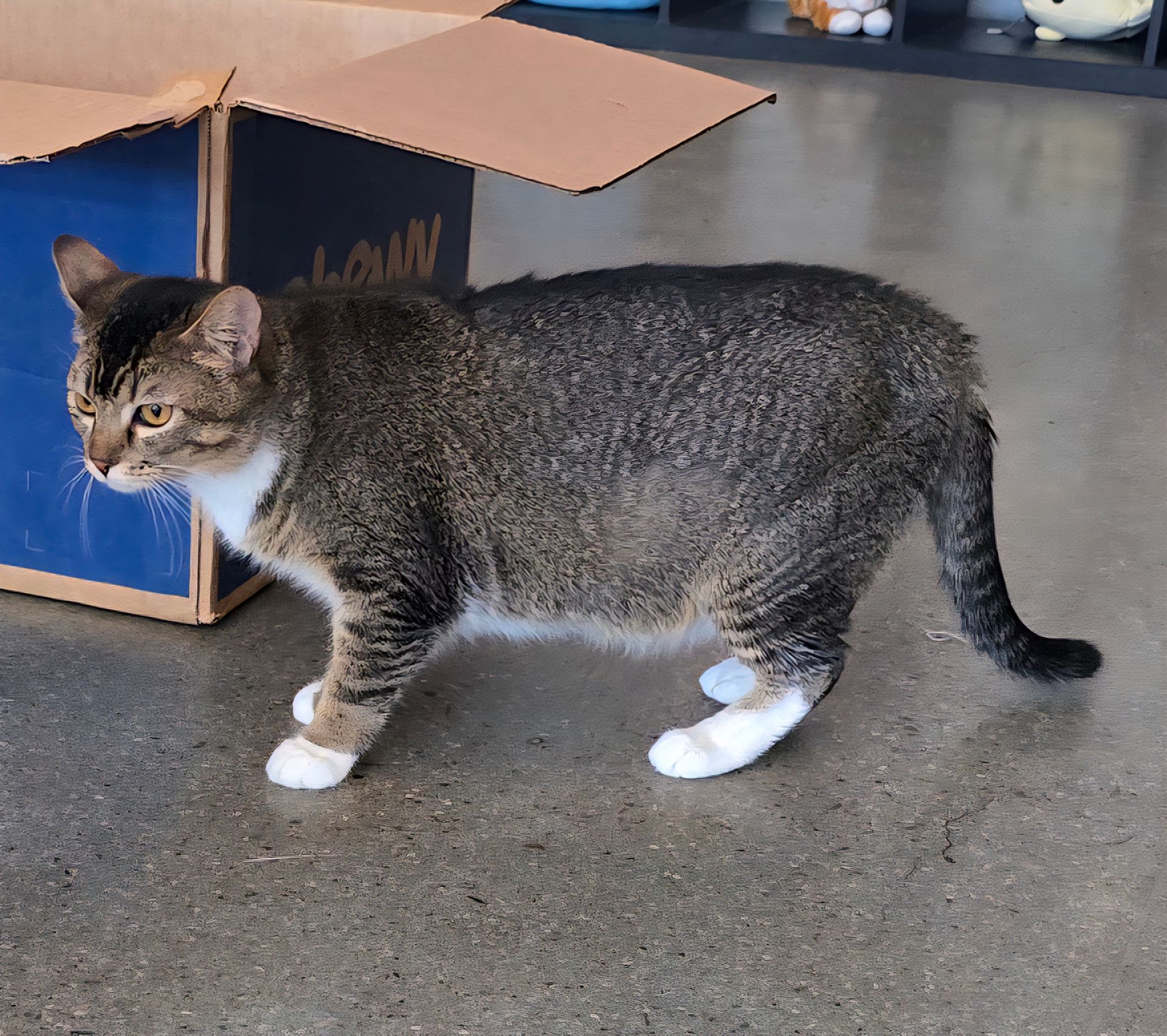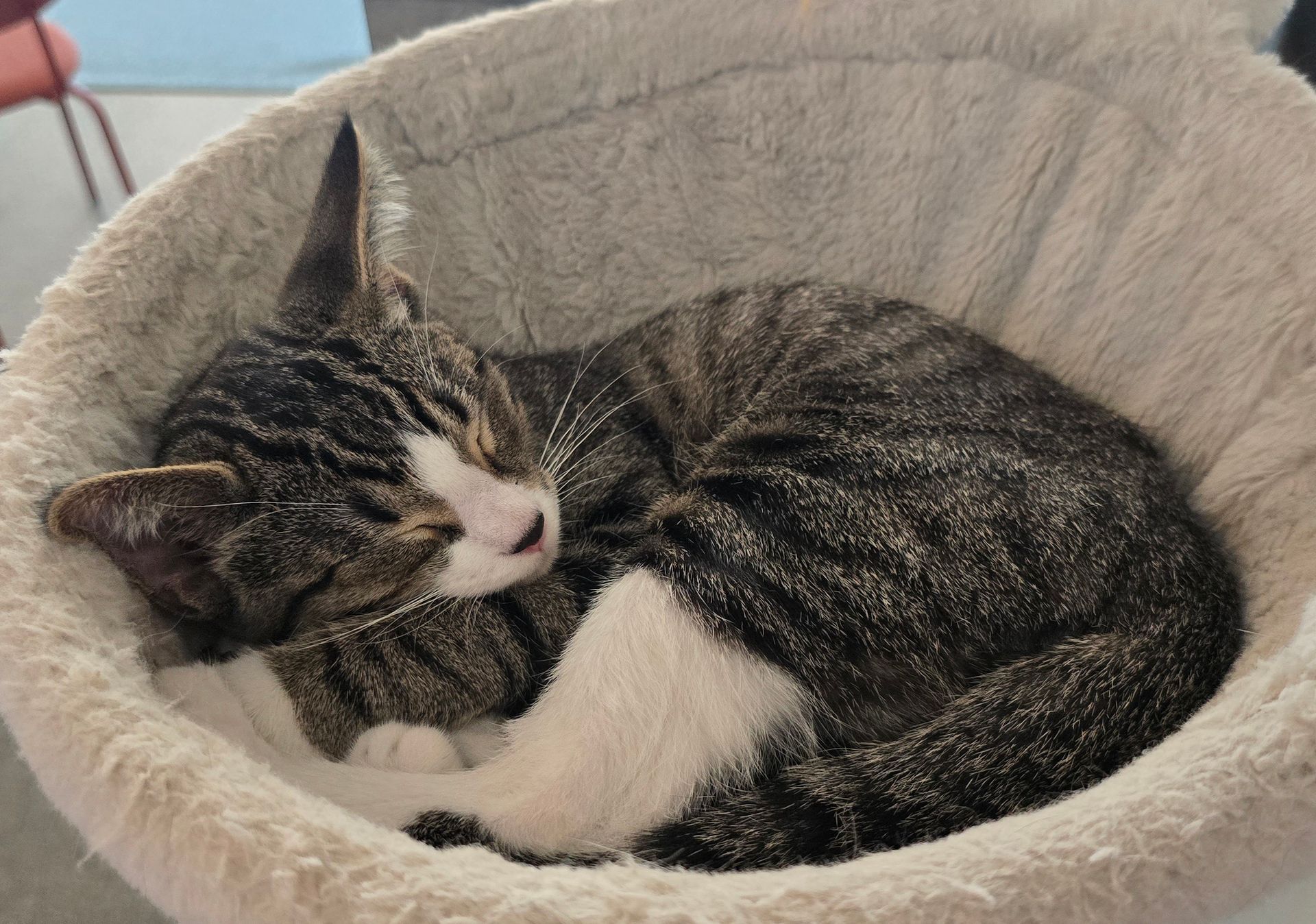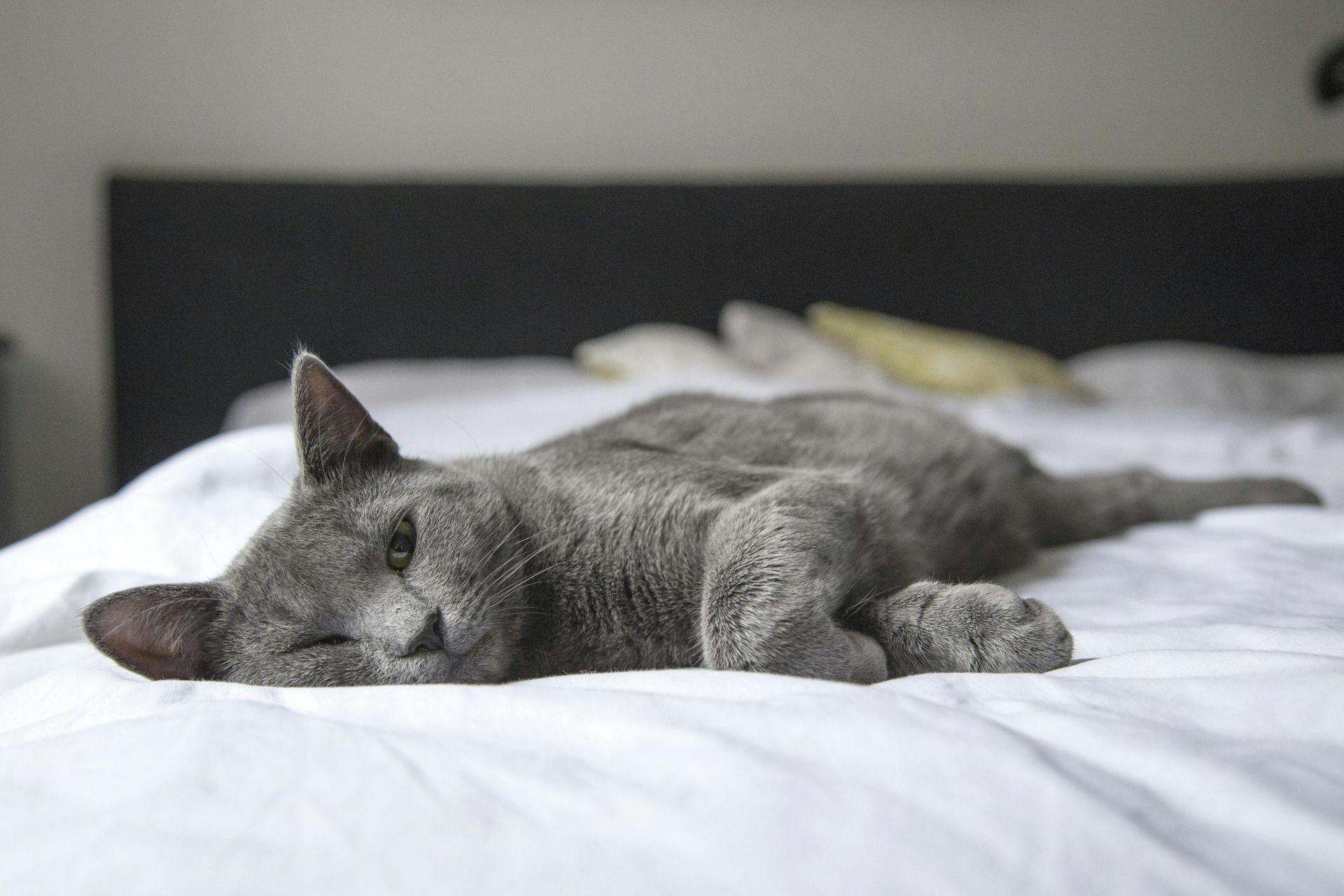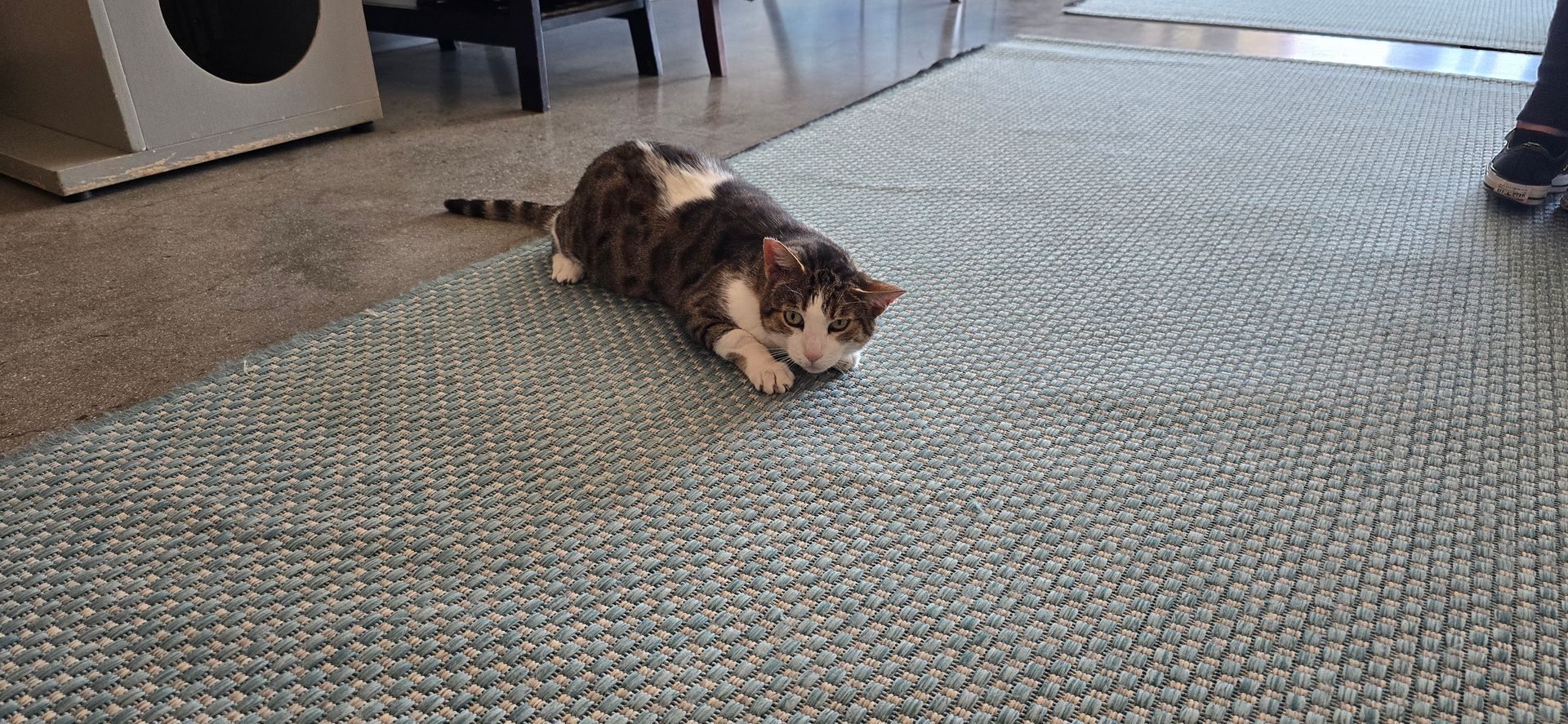
Why Spending Time With Cats Can Be So Comforting—According to Science

For many of us, the day begins not with an alarm clock but with a soft purr or the gentle tap of a paw. That simple moment—when a cat curls up beside you on the couch or nudges your hand for attention—can feel profoundly comforting. But this comfort isn’t just subjective. There’s real science behind why cats make such effective emotional support companions.


Let’s explore how these quiet, enigmatic animals help us feel calmer, more connected, and better able to manage life’s emotional ups and downs.

A Quiet Kind of Comfort We Instinctively Understand

For many people, comfort doesn’t arrive loudly. It shows up as a soft purr, a warm weight settling beside you, or a calm presence that asks for nothing in return. Cats have a unique way of offering companionship that feels natural and grounding—especially during moments of stress, anxiety, or emotional fatigue.


This quiet comfort isn’t accidental. It’s part of why cats have become such powerful emotional support companions for millions of people.


Why Calm Companionship Matters for Emotional Well-Being

In a world that constantly demands attention and interaction, calm companionship can be deeply restorative. Cats don’t require constant engagement or conversation. Instead, they offer presence without pressure.


Psychologists have long recognized that emotional regulation improves when individuals feel safe, unjudged, and at ease. Cats naturally create this environment, making them particularly supportive for people experiencing stress, anxiety, or emotional overload.


What Science Tells Us About Cats and Stress Reduction

Research supports what many cat lovers already know intuitively. Studies show that interacting with cats can lower cortisol levels (the body’s primary stress hormone) while increasing oxytocin, which is associated with bonding and feelings of trust.


Even short interactions—such as petting or sitting near a cat—have been linked to reduced anxiety and improved mood. These physiological responses explain why cats are often associated with feelings of calm and emotional balance.


The Healing Power of a Purr

A cat’s purr does more than sound soothing. Research indicates that cats purr at frequencies between 25 and 150 hertz—a range associated with therapeutic benefits such as reduced stress and lower blood pressure.


Some studies suggest these frequencies may even support healing and relaxation in the human body. While research is ongoing, the consistent finding is clear: the sound and vibration of a purring cat can trigger a relaxation response that helps people feel calmer and more centered.

How Routine and Predictability Support Mental Health

Cats thrive on routine—and in doing so, they offer structure to the people who care for them. Feeding times, play rituals, and quiet evenings create a predictable rhythm that can be incredibly grounding.


Mental health professionals often emphasize the importance of routine in managing stress and depression. Caring for a cat provides gentle structure and a sense of purpose, helping people stay connected to daily life even during difficult periods.


The Emotional Safety of a Nonjudgmental Companion

One of the most meaningful aspects of feline companionship is its lack of judgment. Cats don’t ask questions, evaluate choices, or place expectations on emotional performance. They simply exist alongside you.


For individuals who experience social anxiety or emotional vulnerability, this nonjudgmental presence can feel profoundly safe. Animals often provide a form of emotional support that allows people to relax and be themselves without fear of criticism or misunderstanding.


Seeing the Benefits in Real Life at Cat and Craft Cafe

At Cat and Craft Cafe, these benefits unfold every day. Guests arrive carrying the weight of busy schedules and mental clutter, then slow down as they spend time with the cats—watching them nap, play, or curl up nearby.


The café experience offers more than coffee and companionship. It provides a space where people can pause, connect, and experience the subtle but meaningful emotional support cats naturally give.


Sometimes, the most effective form of emotional care doesn’t come from words at all—just whiskers, purrs, and a quiet moment shared.

Woman holding a fluffy orange dog, laughing near a window.
November 22, 2025
Learn how to help your rescue cat adjust during the first 30 days with tips on safe spaces, routines, play, and building trust at home.
October 17, 2025
Hi there. I'm Alexander. I was living in a home where there were too many cats, and none of us were getting fixed. As you can guess, that meant the population of us felines exploded. As the people in the cat room like to say, without the cats being fixed, the 12 cats in the cat room would quickly become 20.  Fortunately for us, The Rescue House was able to come in and take care of things. All of us got the care we needed in order to get a chance to thrive, and that includes getting fixed. For me, it meant I became a special cat. I'm cat number 20,000 for The Rescue House. They're setting a goal of raising $20K by the end of the year on my behalf. Please visit rescuehouse.org to donate and let them know you're doing it in my name. Thanks for supporting The Rescue House. They saved me!
July 17, 2025
You might think that Zero is a strange name for a cat. And it is. But that's okay. I will respond to it with cute meows if you say it to me. It keeps people from getting me confused with other cats.  After living outside and having problems giving birth to a litter, I went to get cared for by people. Unfortunately, none of my kittens made it. But I did, and because I'm so grateful to the people who helped me, I love being around you two legged creatures. I will call out to you if I notice you're around and I've gotten to know you. Soon, I'll follow you around and ask for you to brush my unusual coat. Come and see me in the cat lounge and I'll be happy to talk to you.
July 7, 2025
My life almost ended before it got a chance to start. I was on the euthanasia list at a shelter when The Rescue House swooped in to save me. I'm so grateful they did and I show that to everyone with my enthusiasm and playful personality.  When I say playful, I mean it. I will turn down food for the opportunity to play. Don't get me wrong, I love my food but playing is more enjoyable. And when it's time to relax, I'll find a place to sleep by my people. Come on in and meet me. Maybe you'll decide that I'm the cat you want snuggling next to you and purring.
May 20, 2025
Cats are famous for their luxurious lounging habits, and for good reason. 1. They’re Natural Predators Even the fluffiest house cat shares ancestry with wild hunters. In the wild, big cats like lions and leopards conserve energy by sleeping for long stretches between hunts. Domestic cats have inherited the same instinct: to sleep often and deeply, so they’re ready to pounce when needed. 2. They’re Crepuscular Creatures Unlike humans, cats are not strictly diurnal (awake during the day) or nocturnal (awake at night). Cats are crepuscular , which means they’re most active at dawn and dusk. That leaves plenty of hours in between for rest, often totaling 12–16 hours of sleep per day , with kittens and senior cats sleeping even more. 3. Sleep Supports Growth and Brain Health Just like in humans, sleep plays a vital role in a cat’s physical and mental health. During deep sleep, cats release growth hormones, build immune strength, and process stimuli from the day. It’s essential for kittens (who may sleep up to 20 hours!) and older cats recovering from activity or illness. Types of Cat Sleep: Light Snoozing vs. Deep Sleep Not all cat sleep is the same. You might notice your cat’s ears twitch or tail flick while they nap. This is likely light sleep, also known as a "cat nap," where they’re still partially alert to their surroundings. Cats also cycle into REM (deep) sleep , where you may see muscle twitches or whisker movement. This is when true restorative rest happens, and it’s essential for their physical health and emotional well-being. Signs Your Cat is Getting Good Sleep They nap in a variety of safe, quiet spots They seem relaxed, paws tucked, belly up, or stretched out They wake up slowly and comfortably They play, eat, and socialize well during active periods On the flip side, if your cat is constantly startled awake, sleeps in odd places (like the litter box), or seems overly lethargic, it may be worth checking in with your vet. How to Help Your Cat Sleep Well at Home Cats are self-soothers, but you can support their sleep routine by creating a calm, cozy, and enriched environment. Here are a few tips: 1. Create a Safe Sleeping Space Offer a variety of cozy nap spots in different parts of your home. Think: Window perches for sunbathing Covered beds or boxes for privacy Soft blankets in quiet corners Cats love options, so try giving them a mix of high and low spaces to choose from. 2. Stick to a Routine Cats thrive on predictability. Keeping consistent feeding and play times helps regulate their internal clock. Play with them during their naturally active times (early morning or evening) to encourage restful sleep later. 3. Minimize Noise & Disruption Make sure their sleep spaces are free from loud or jarring noises. Cats are light sleepers and easily startled. Turn off loud TVs, avoid vacuuming near nap spots, and provide a space where they won’t be bothered. 4. Enrich Their Waking Hours A well-stimulated cat will rest better. Offer interactive toys, climbing shelves, puzzle feeders, and play sessions throughout the day. A satisfied cat is a sleepy cat! How Cat & Craft Supports Cat Naps At Cat & Craft , we’ve designed our café and cat lounge to honor cats’ natural rhythms. You’ll find: Cozy corners and soft beds in both private and communal areas Vertical shelves for climbing and lounging A calm, welcoming atmosphere that encourages trust and comfort Respectful visitors who understand the golden rule: let sleeping cats lie 💤 Our cats are free to nap when and where they choose, which helps reduce stress and promote positive behaviors. It also gives adopters a glimpse into a cat’s relaxed, natural side, a key factor in finding the right match. Conclusion: Celebrate the Cat Nap Cats aren’t lazy, they’re efficient. Their frequent naps are a biological necessity and a sign of comfort, health, and trust. By understanding your cat’s sleep habits and creating a supportive environment, you’re helping them live their best (and most rested) life. So next time your cat curls up and drifts off mid-afternoon, take it as a cue to slow down too. Brew a cup of coffee, grab a book, and enjoy the peace of a cat nap kind of day. Want to see cat naps in action? Visit us at Cat & Craft, where the coffee is hot, the cats are cozy, and the vibes are always chill. 🐾☕
May 9, 2025
We're pleased to share the good news that we're reopening the cat lounge again this weekend. Our staff and volunteers were hard at work making sure that everything was cleaned this week due to the health issue some of our cats had. That hard work paid off and we've been bringing in cats over the past few days. Because all of the cats are new to the space, we'll be limiting reservations to no more than eight for the weekend. We hope, as time goes on and more cats arrive, to go back to our normal limit of 12 starting next Tuesday. Thanks for your patience as we worked through this. We look forward to welcoming you back into the cat lounge!
More Posts